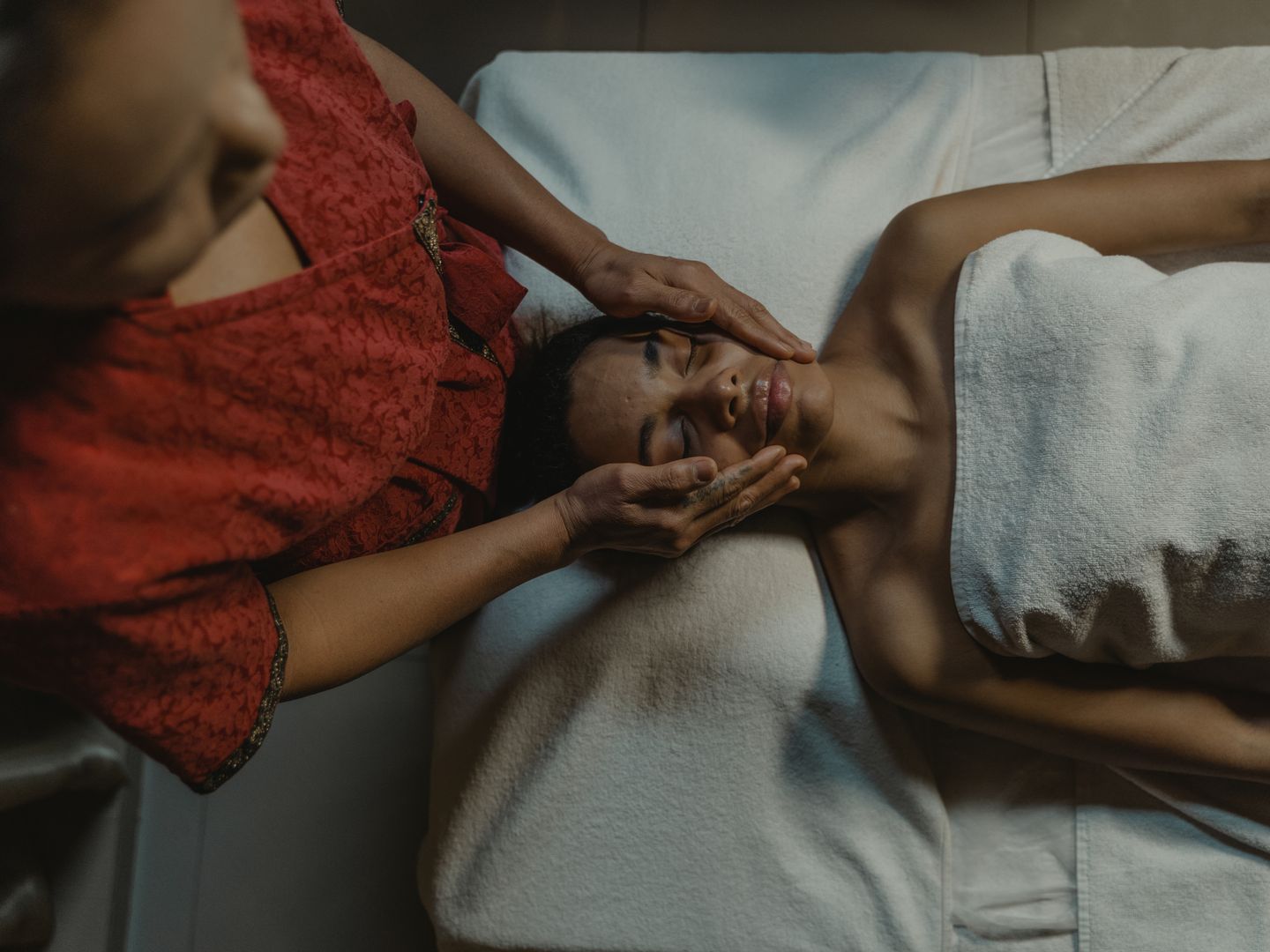
Ask about the planned appointment
Check what kind of service is offered, how long it lasts, and how the practitioner discusses the session with a new client. Explain your expectations in ordinary language. Seeking a quiet relaxation appointment is different from asking a practitioner to assess a health concern.
Discuss relevant concerns with your healthcare provider when needed, and share appropriate information with the practitioner. A journal article cannot decide whether massage is suitable for an individual or substitute for the practitioner’s professional assessment.
Keep preferences open to change
Ask how to request a different position, less pressure, another covering, or a break. You can state that an area should not be included and ask the practitioner to explain the arrangement before beginning. Clear communication is more useful than trying to tolerate an experience silently.
A preference can change during the appointment. Say when something is uncomfortable and ask to pause or stop. Afterwards, keep any individual guidance from the practitioner separate from general things you read online. No one else’s account determines how your own session should feel.
Further reading: NCCIH on massage and NCCIH on relaxation.
Published by the Akiyori journal.